
Via ferrata Brigata Tridentina is one of the most famous routes in the Dolomites. It is busier than other routes, and I encountered many more people than usual. However, I didn’t see it as a wasted excursion. On the contrary, I enjoyed myself, and whilst the route won’t land in the ranks of my favourites, I would still give it a solid 7/10, mainly for the views and enjoyable scrambling.
Total roundtrip distance (incl. approach)
6 kilometres / 3.72 miles
Elevation gain
730 meters / 2400 feet
Difficulty
Intermediate (B/C)
Time required
3-4 hours
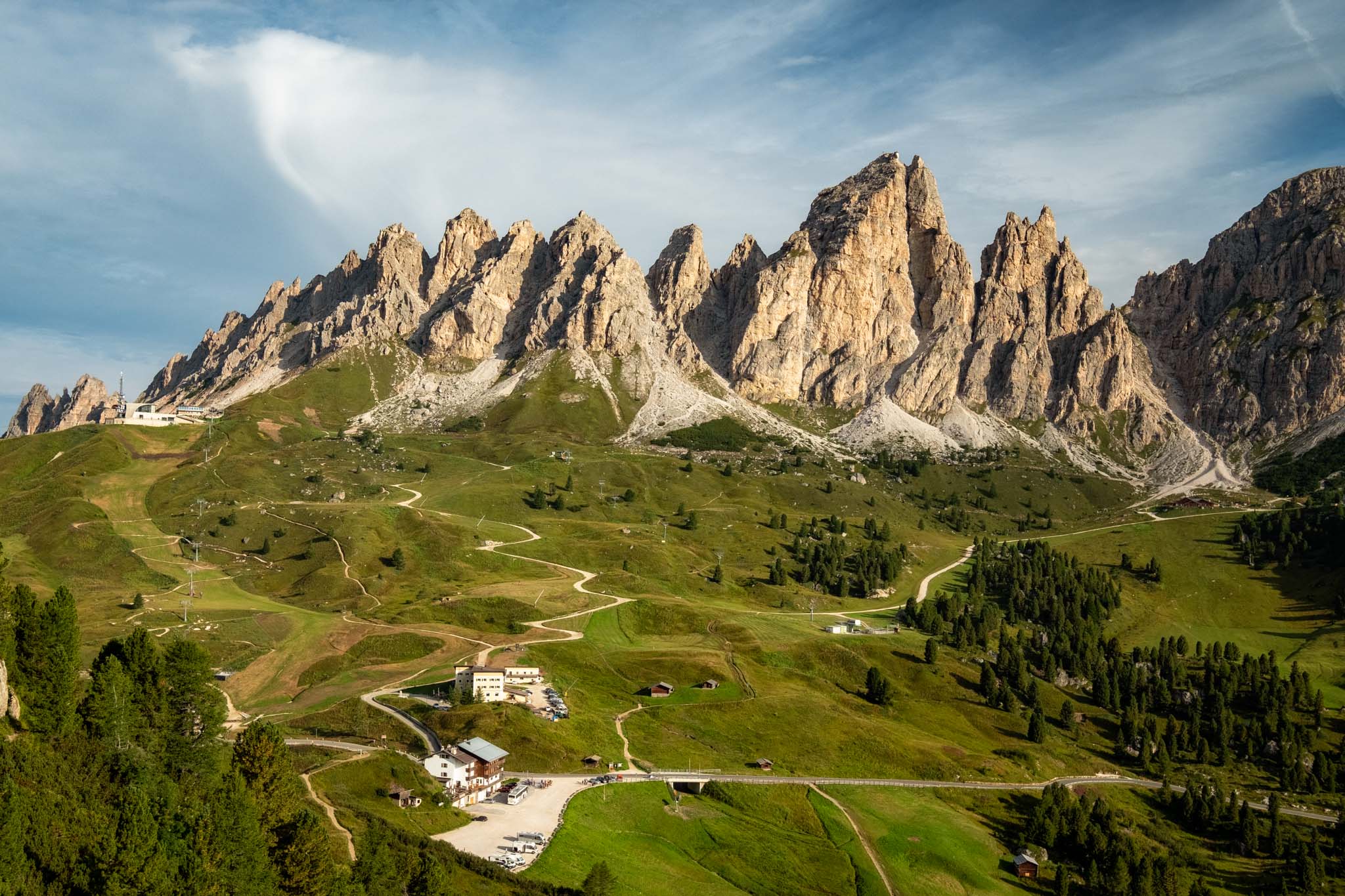
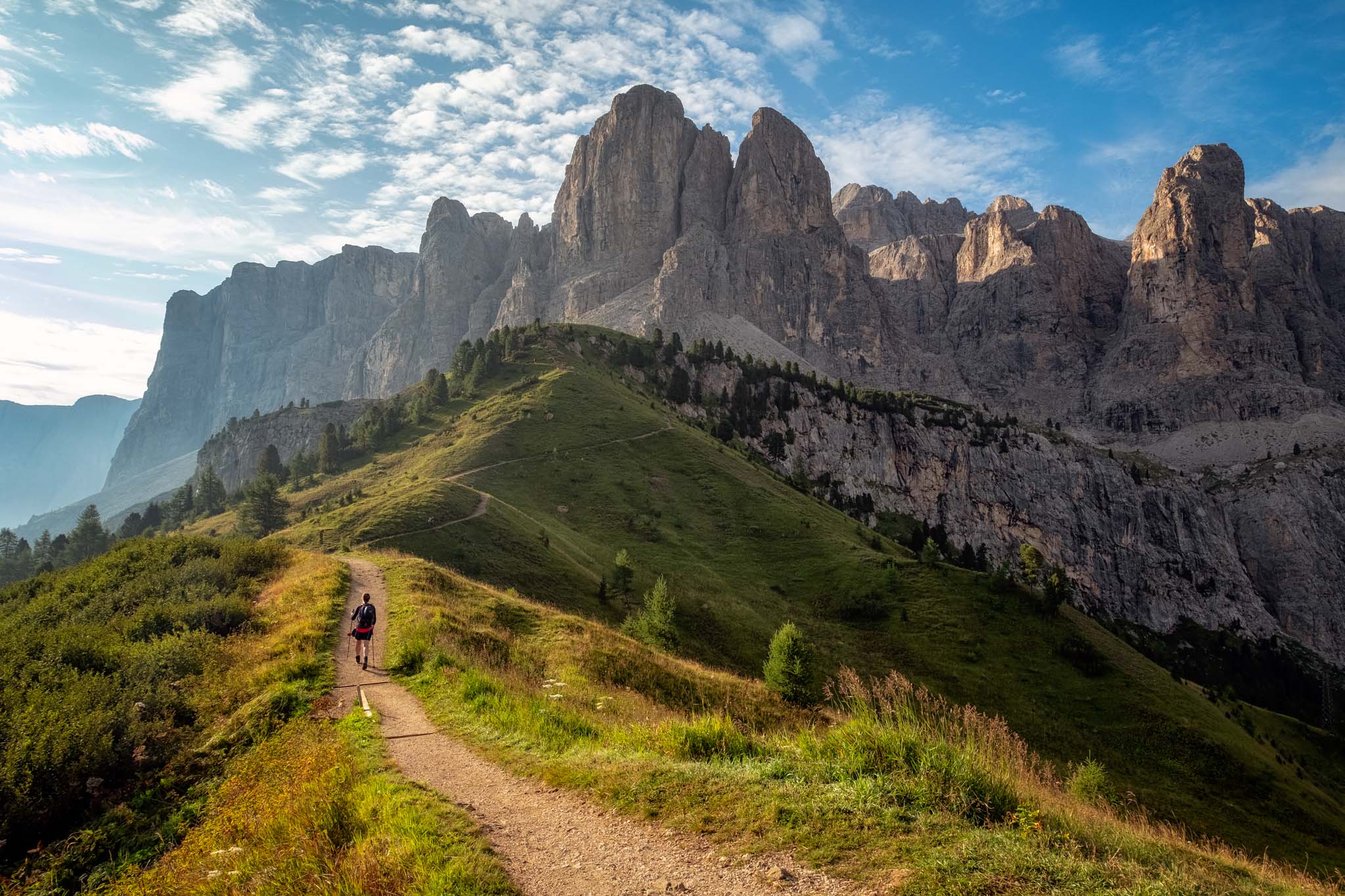


The location the via ferrata
Via ferrata Brigata Tridentina runs along the northern flanks of the Sella group. If you are an avid skier, you might have heard of the Sellaronda. It’s a famous ski circuit that leads around the Sella group. Sella group is also home to another prominent via ferrata – Pössnecker. The group’s highest peak, Piz Boé, is where one of the most photogenic mountain huts in the Italian Dolomites was built, rifugio Capanna Fassa.
The map of the via ferrata
Important info about the via ferrata
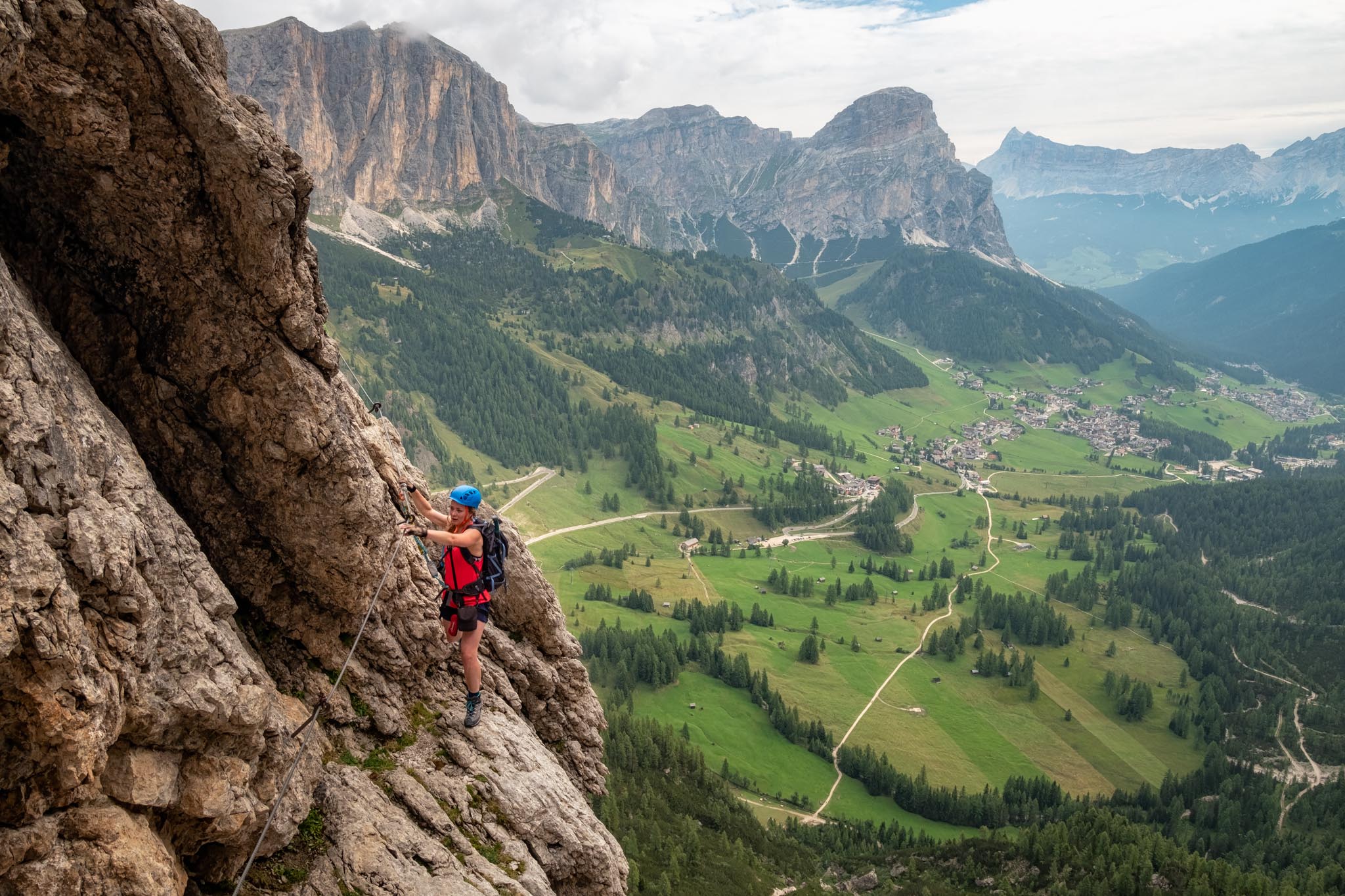
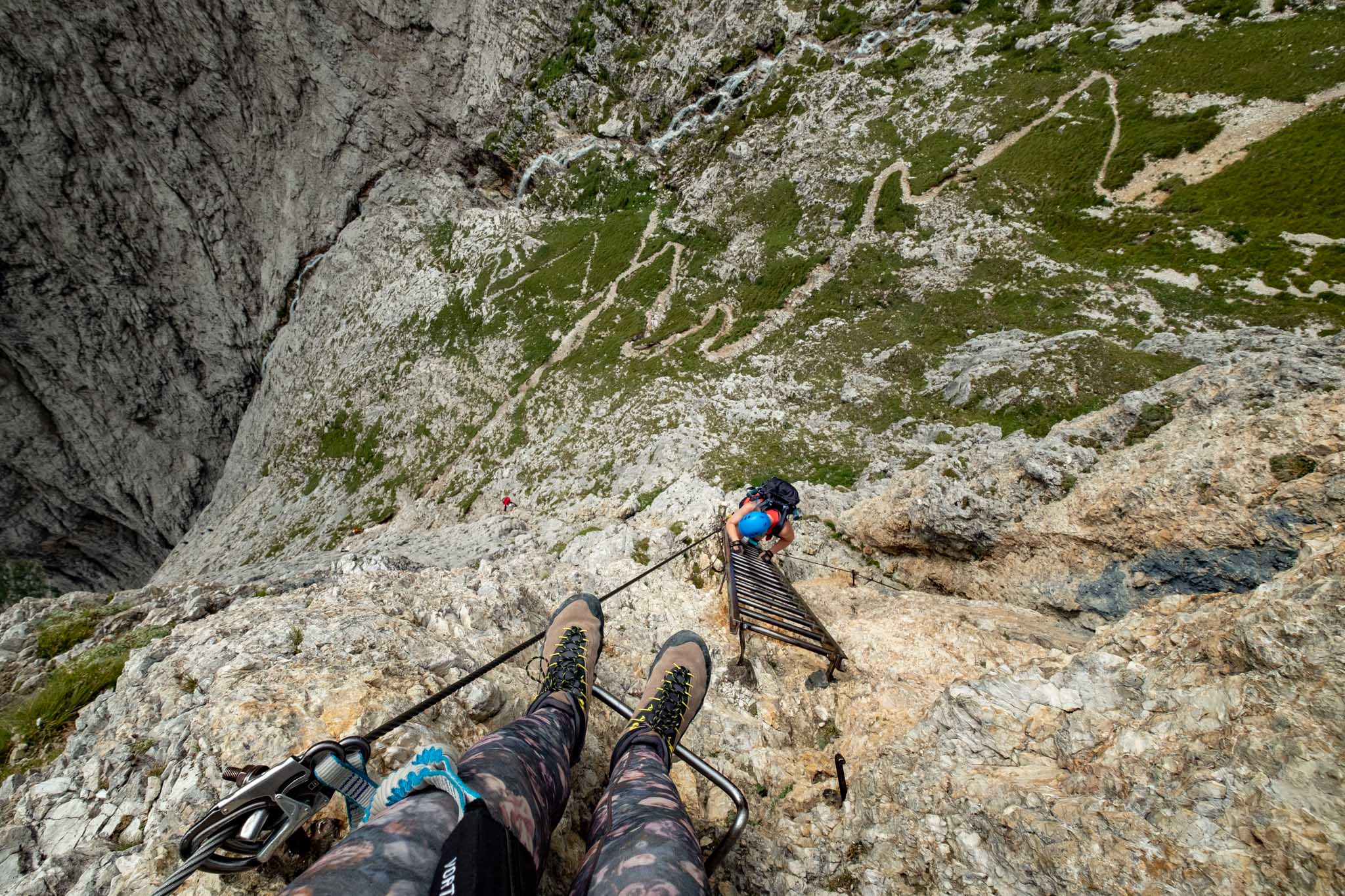
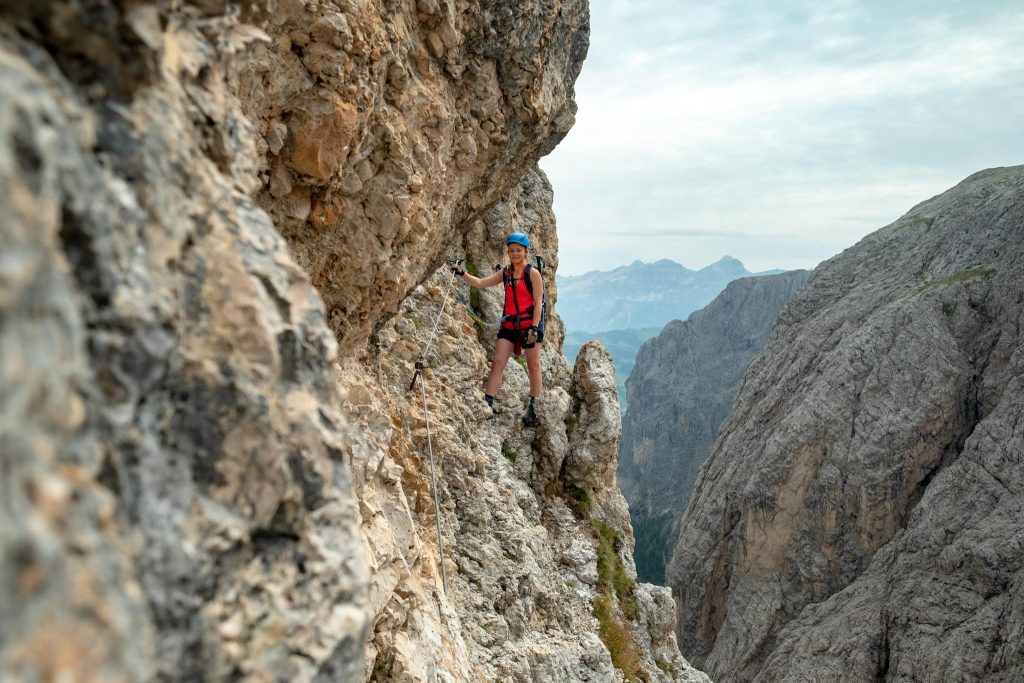
Via ferrata Brigata Tridentina is of an intermediate level. Perfect for those who have tried another via ferrata before and would like to test their skills on something slightly more complex. There is some significant exposure in places, so you shouldn’t suffer from vertigo. Because the route faces north, it is prone to icing at the start and end of the season when the temperatures at night can fall below zero. Extrapolating, the best months to tackle via ferrata Brigata Tridentina are July, August, and September. However, July would be my pick if you want to see the waterfall next to the route in all its glory. The later it gets in the season, the waterfall eventually turns into a little trickle of water.
When to go: July – September
Trail numbers: 666, 29
Highest point: 2587 meters / 8487 feet
Parking: 46.54955, 11.80926
Trailhead: 46.54955, 11.80926
Nearest towns: Corvara, Colfosco in Val Badia or Selva in Val Gardena
Getting there
There are two possible trailheads for via ferrata Brigata Tridentina. The first is the Pisciadù car park, which belongs to the Italian Alpine Club (CAI); the second, which I recommend, is on Gardena Mountain Pass. The latter makes the whole route slightly longer distance-wise, but it cuts on some elevation gain and loss because it lies at a higher elevation.
TIP: Another advantage of starting at Passo Gardena is that after completing via ferrata Brigata Tridentina, you can take a few hours rest at one of the rifugios located on the pass (rifugio Jimmy is my recommendation), and if the weather allows it, tick off the short but mighty via ferrata Gran Cir for sunset.
By bus
Public buses run daily from Val Badia and Val Gardena to Passo Gardena during high season. Check the Sued Tirol Mobil info website for your nearest bus stop and the schedule.
By car
There is ample paid parking near Rifugio Frara, near the top of the pass, but it fills up quickly during peak season (July and August) and on weekends. The earlier you get there, the better.
Route description
If you choose to start at the CAI parking lot, take path no. 29 and follow it for 20-30 minutes until you reach the start of the cables.
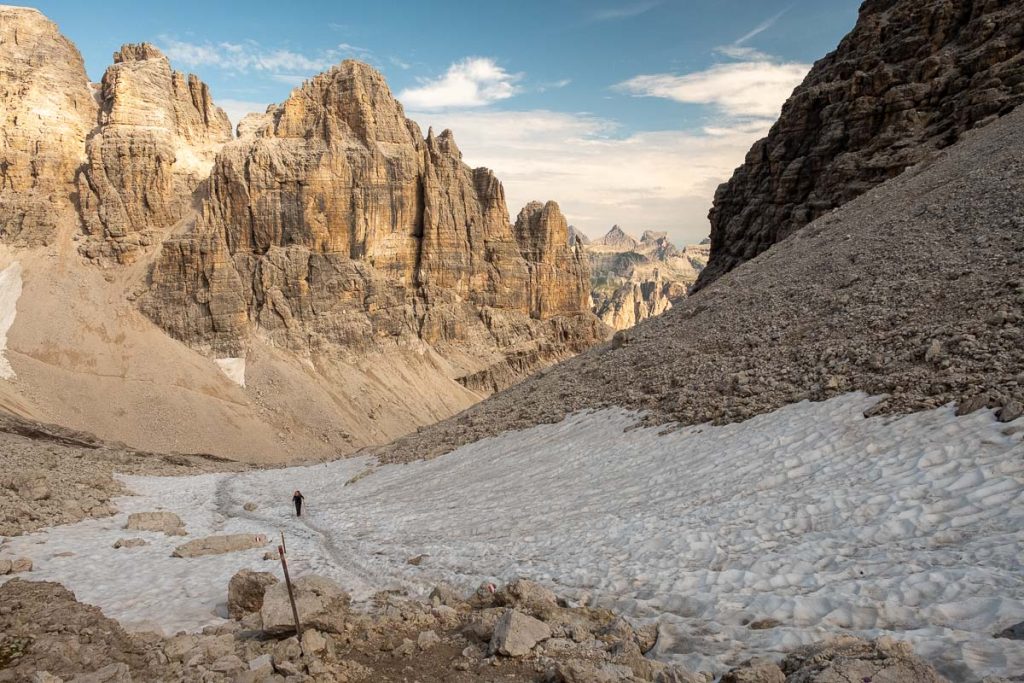
If, like me, you choose to start at Passo Gardena, you will first need to follow path no. 666 until you reach a fork at the bottom of Val Setus, then continue onto path no. 29. This option will take approximately 30 minutes. By the way, the impressive Val Setus is where you will descend to get back to where you started. Some signs point to ferrata Pisciadù, which is part of the name for Brigata Tridentina, so don’t let that misguide you.
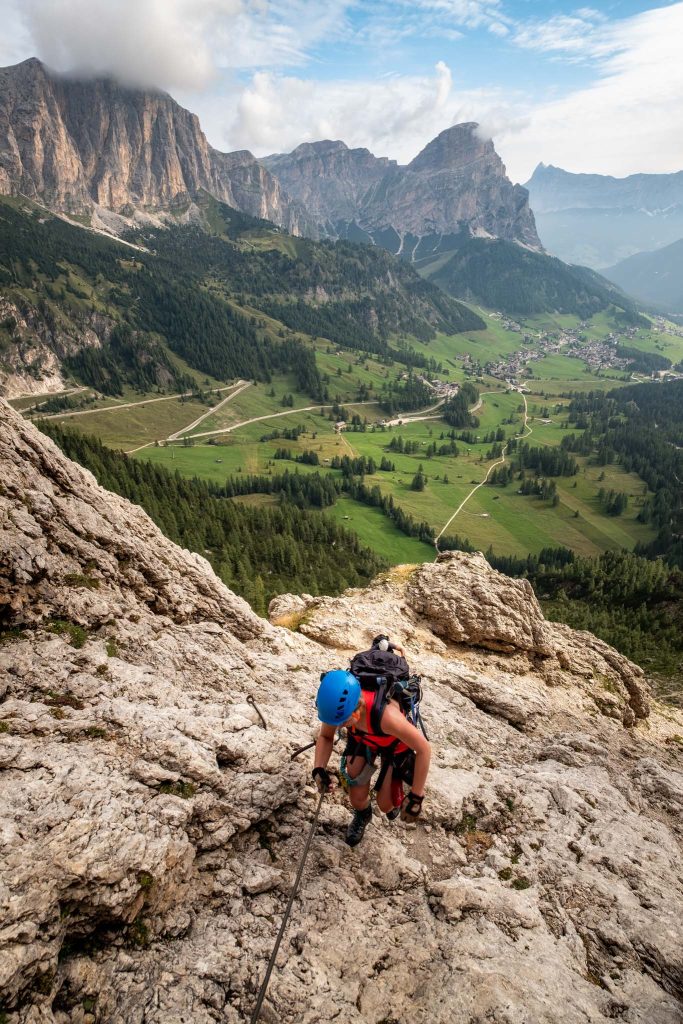
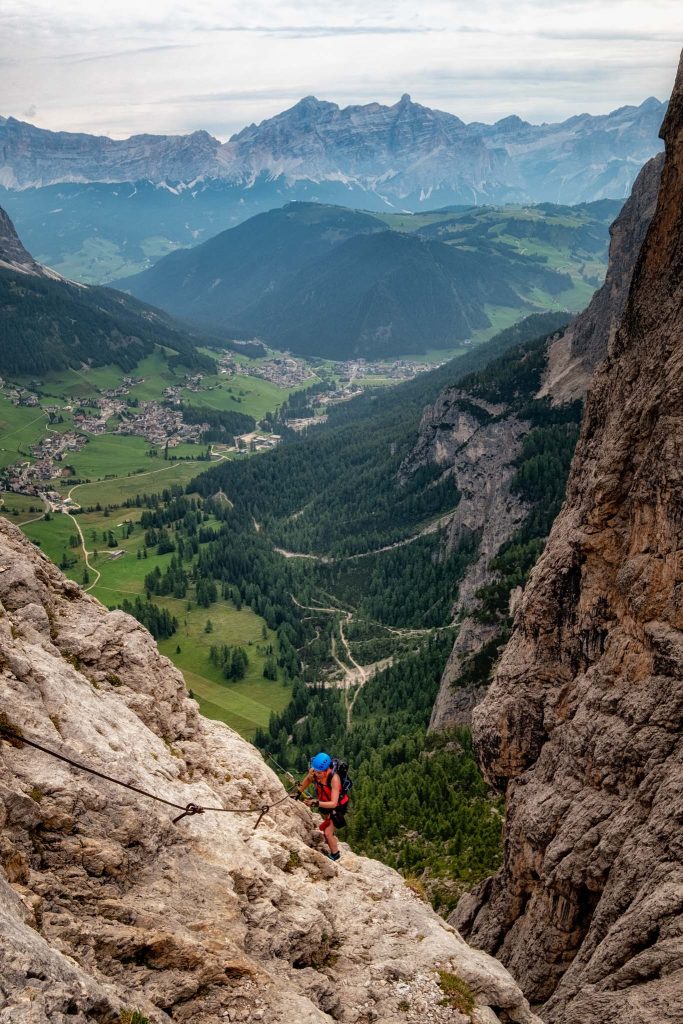
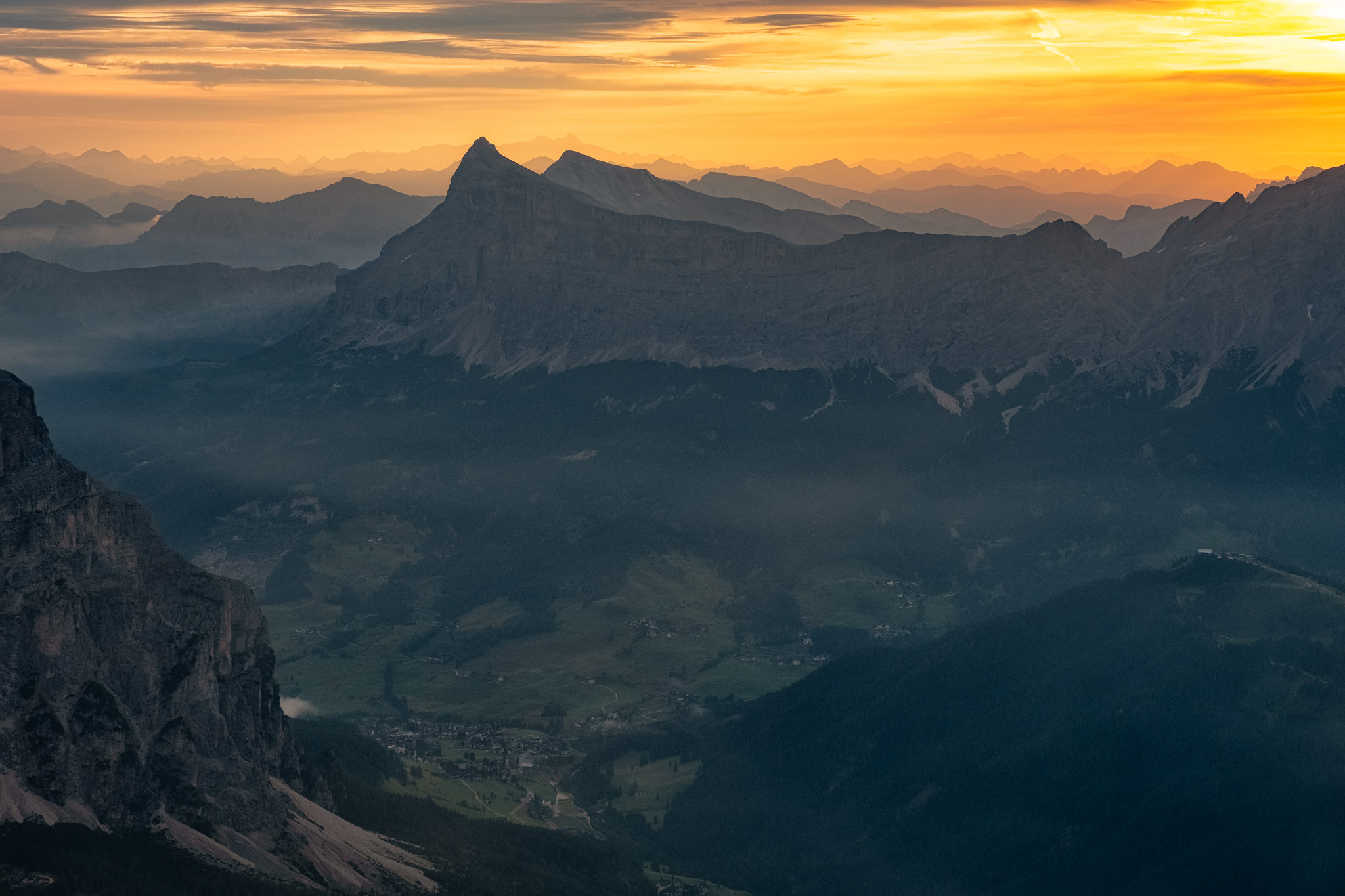
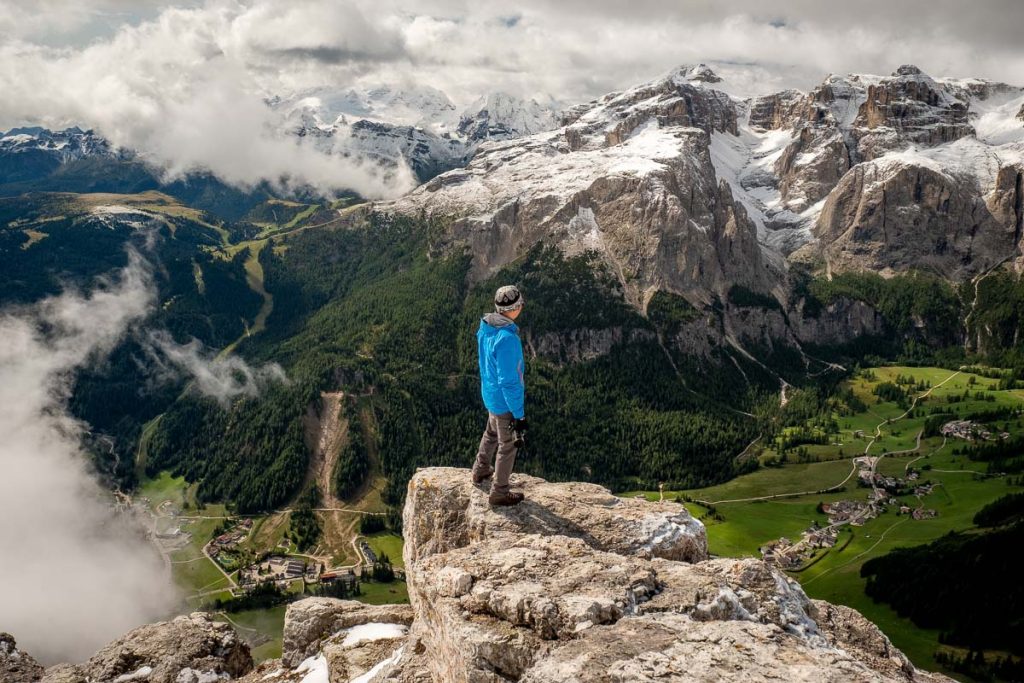
As you climb along the Exner Tower, you gain incredible views over Colfosco and Corvara. Around halfway up, an escape route leads to the Pisciadù hut. Take it if you have had enough or the weather takes a turn for the worse. Otherwise, continue to the bridge.
The culmination of the cable section is the suspension bridge between Torre Exner and Mur de Pisciadù stone wall, which you walked under earlier in the day. After the suspension bridge, it’s another 15-20 minutes of hiking until you reach Rifugio Pisciadù.
The Pisciadù Summit Extension
Once at the refuge, you have a couple of options. If you are thirsty for more incredible views, consider going to the summit of Cima Pisciadù. This adds another 2 hours (return) and approximately 400 meters in elevation gain. From Rifugio Pisciadù, the route to the summit follows path 666.
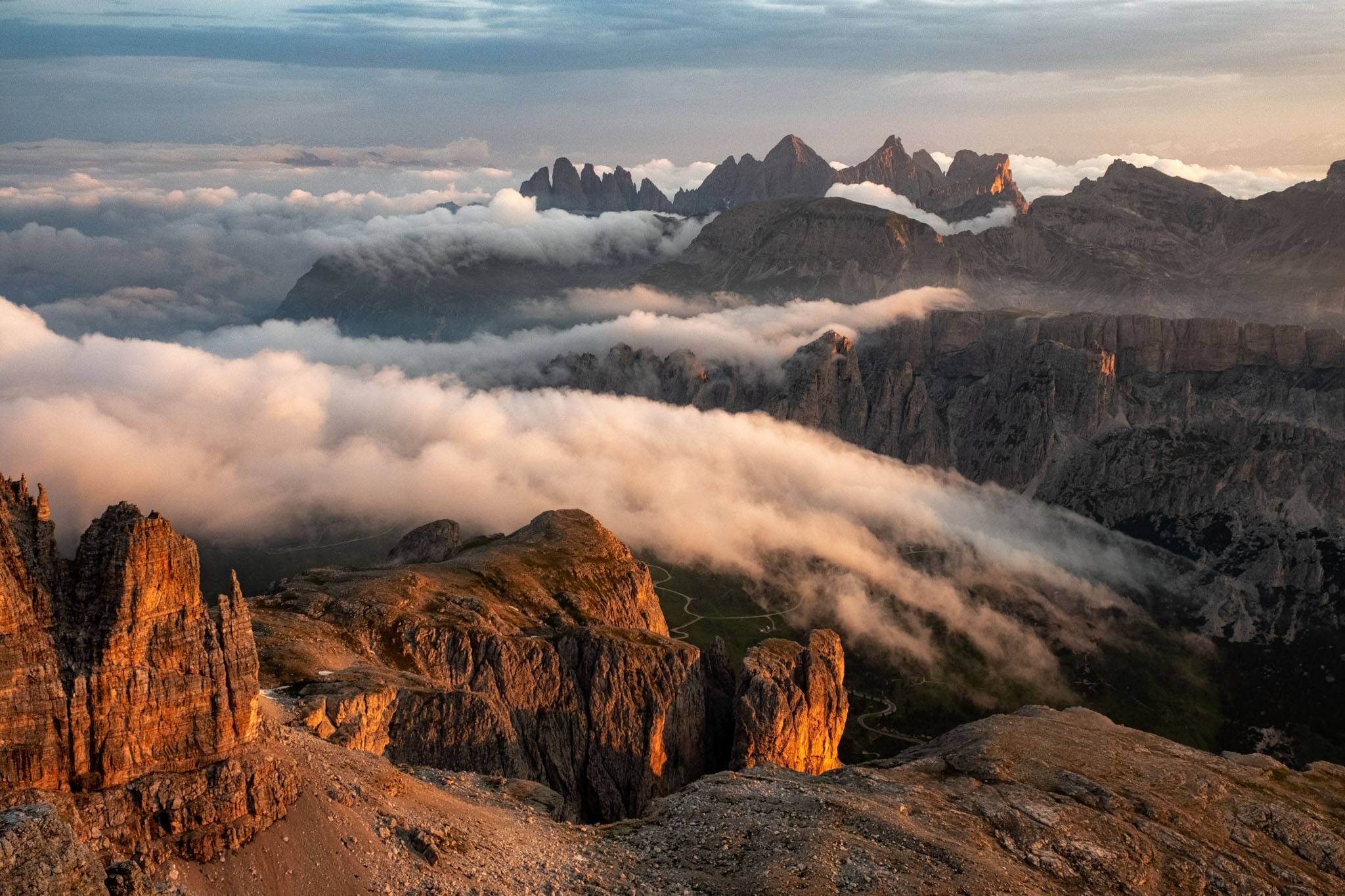
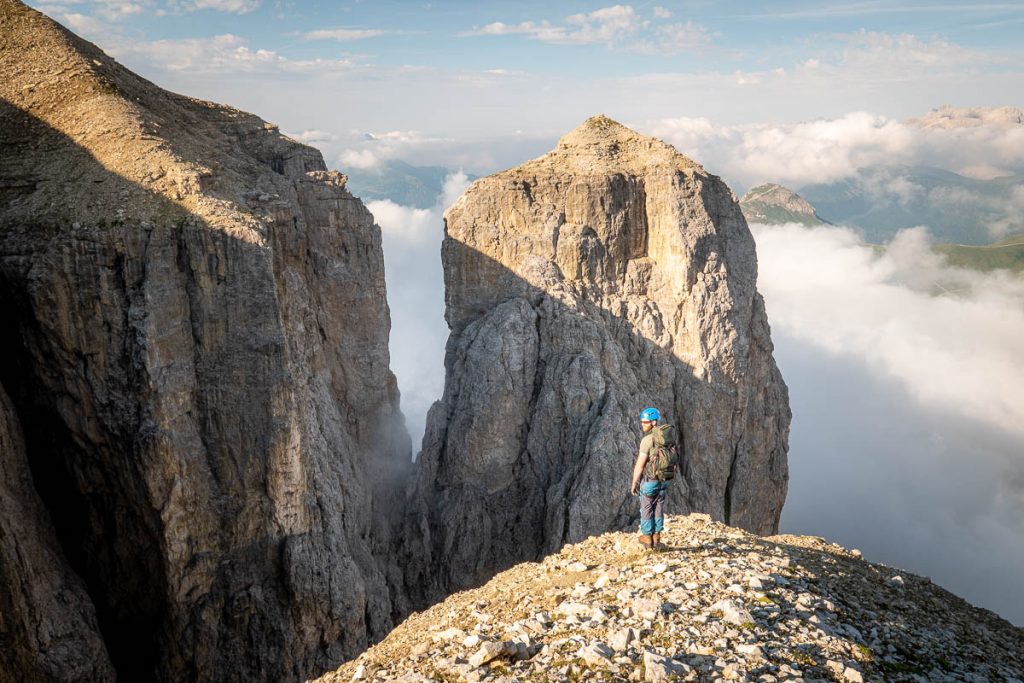
After about 30 minutes and a short cable-protected scramble, a sign points to the summit. The way up and down follows the same path. It’s a short and intense scramble, but it’s worth it. From the summit, you can look down on both sides of Passo Gardena and, on a clear day, even see the snow-capped Austrian Alps in the far distance.
The Way Back To The Car Park
If you would like to call it a day, the return to Passo Gardena will take approximately 90 minutes. Follow path number 666 in the opposite direction to the one mentioned above. It passes through a steep gully (protected with cables, so leave your VF gear on) and then a zig-zag descent on a packed scree slope through Val Setus.
Once you reach a fork at the bottom of Val Setus, depending on where you started earlier in the day, it’s either straight down on path 666A to the Pisciadù car park or left on path 666 back to Passo Gardena.
TIP: suppose you took a bus to Passo Gardena and would like to return to Colfosco or Corvara on foot from Rifugio Pisciadù. In that case, you can take path 676 and then 651 through De Mesdi Valley. This descent will take approximately 2.5 hours.
Overnight stay & dining possibilities
Rifugio Pisciadù is the only alpine hut along via ferrata Pisciadù, where you can stay overnight. I have stayed here before during my Alta Via 2 traverse; however, the experience was ruined when my friend and I were placed in a room with 20 Italian men on a weekend getaway. That night, I learnt a new meaning of the word ‘snoring’.
Where to stay nearby
The nearest towns are Corvara and Colfosco in Val Badia. Below you can find some of my recommendations for accommodation in the area. If you want to support my site, please book through my affiliate links. This will allow me to earn a small commission at zero additional cost to you.
Best Value
Top Rated

Other activities nearby
Via ferrata
Travel resources for the Dolomites
Shop my via ferrata gear essentials
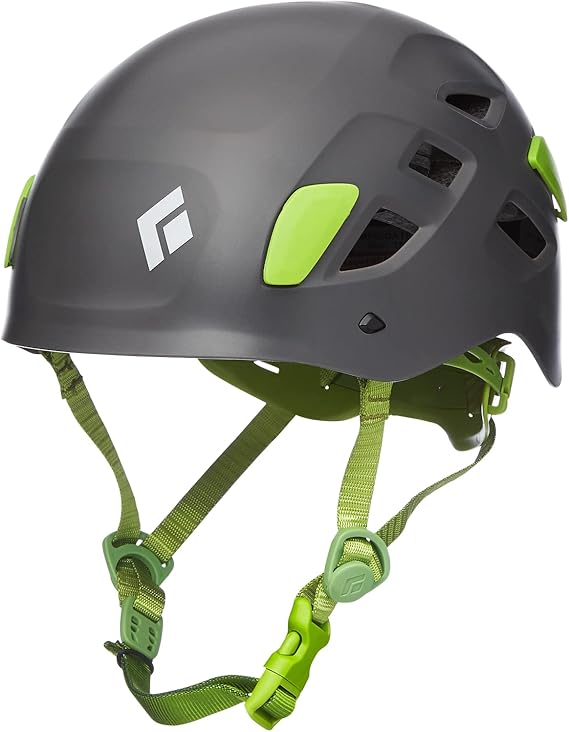
Black Diamond Helmet
Rockfall is a significant concern on via ferrata routes. Unbeknownst to you, other climbing groups above you may accidentally dislodge a small rock and send it down the mountain. If it hits you on the head, it could have serious consequences. A helmet on your head (not inside your backpack) is necessary.
Shop on: Amazon (Worldwide) / Backcountry (US)
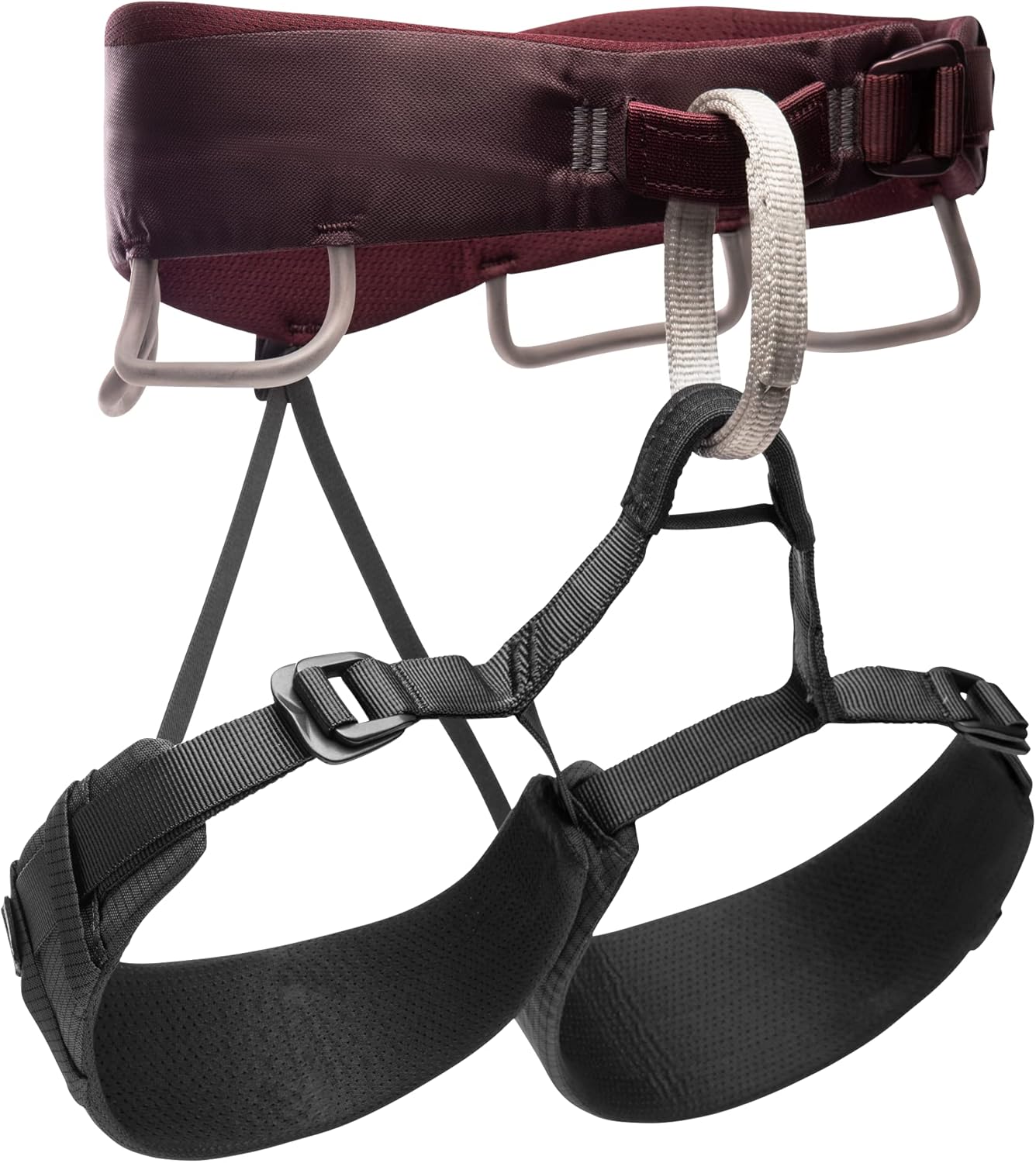
Black Diamond Momentum Harness
Another must-have on a via ferrata route is a climbing harness. A harness works as an anchor point for your via ferrata lanyard. Try it before your trip to ensure it fits snugly without limiting your movements. Aim for a lightweight harness that will be comfortable to wear between the cable-protected sections when hiking.
- Shop Women’s on Amazon (Worldwide) / Backcountry (US)
- Shop Men’s on Amazon (Worldwide) / Backcountry (US)
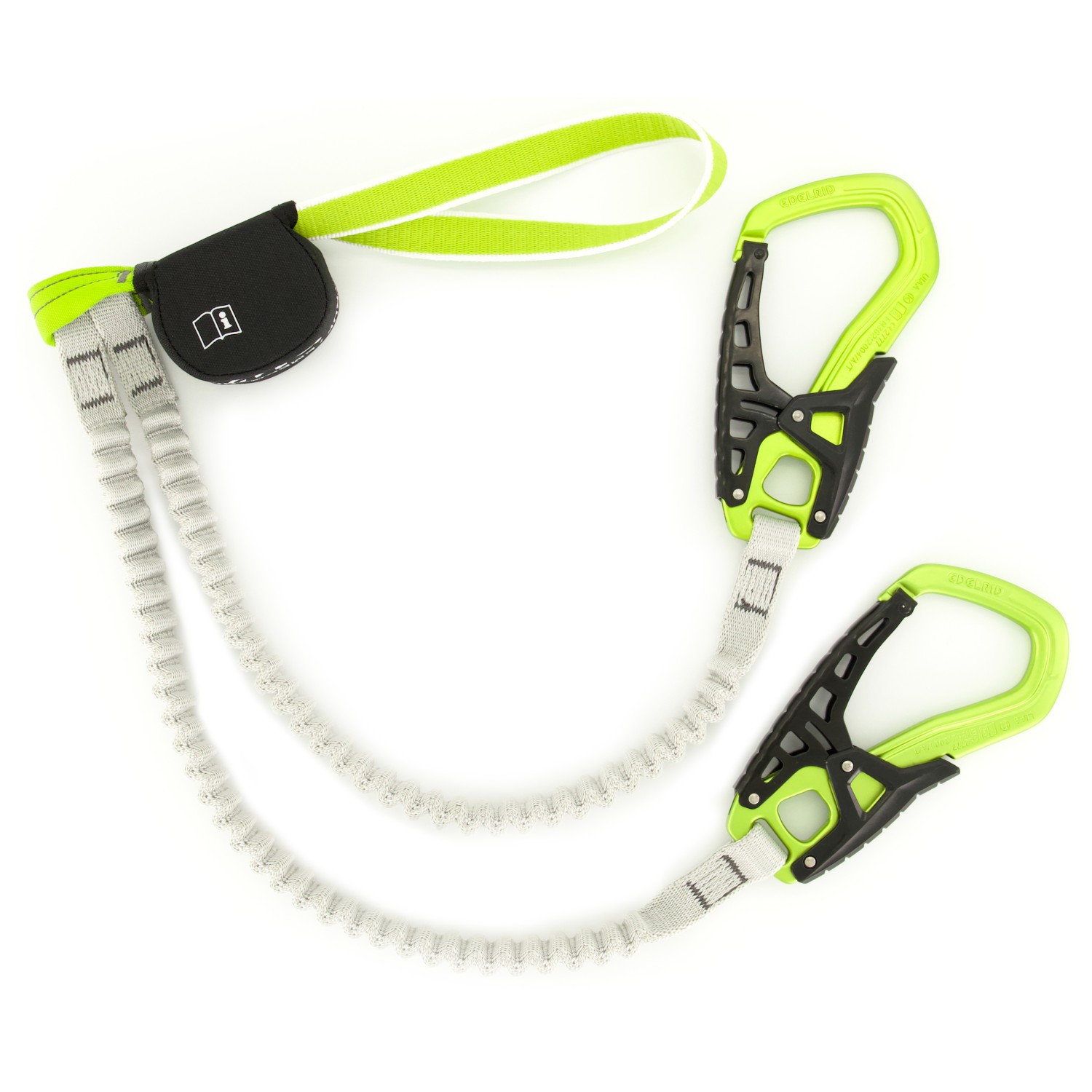
Edelrid, Camp or Black Diamond Via Ferrata Lanyard
A via ferrata lanyard connects the climber and their harness to the cables along the route. Its two arms and a hidden extra coil work as an energy absorption system in case of a fall. The two carabiners at the end of the lanyard clip into the cable. Make sure the carabiners are equipped with the palm squeeze mechanism. It’s the safest and most comfortable.
Shop on Amazon (Worldwide) / Backcountry (US)
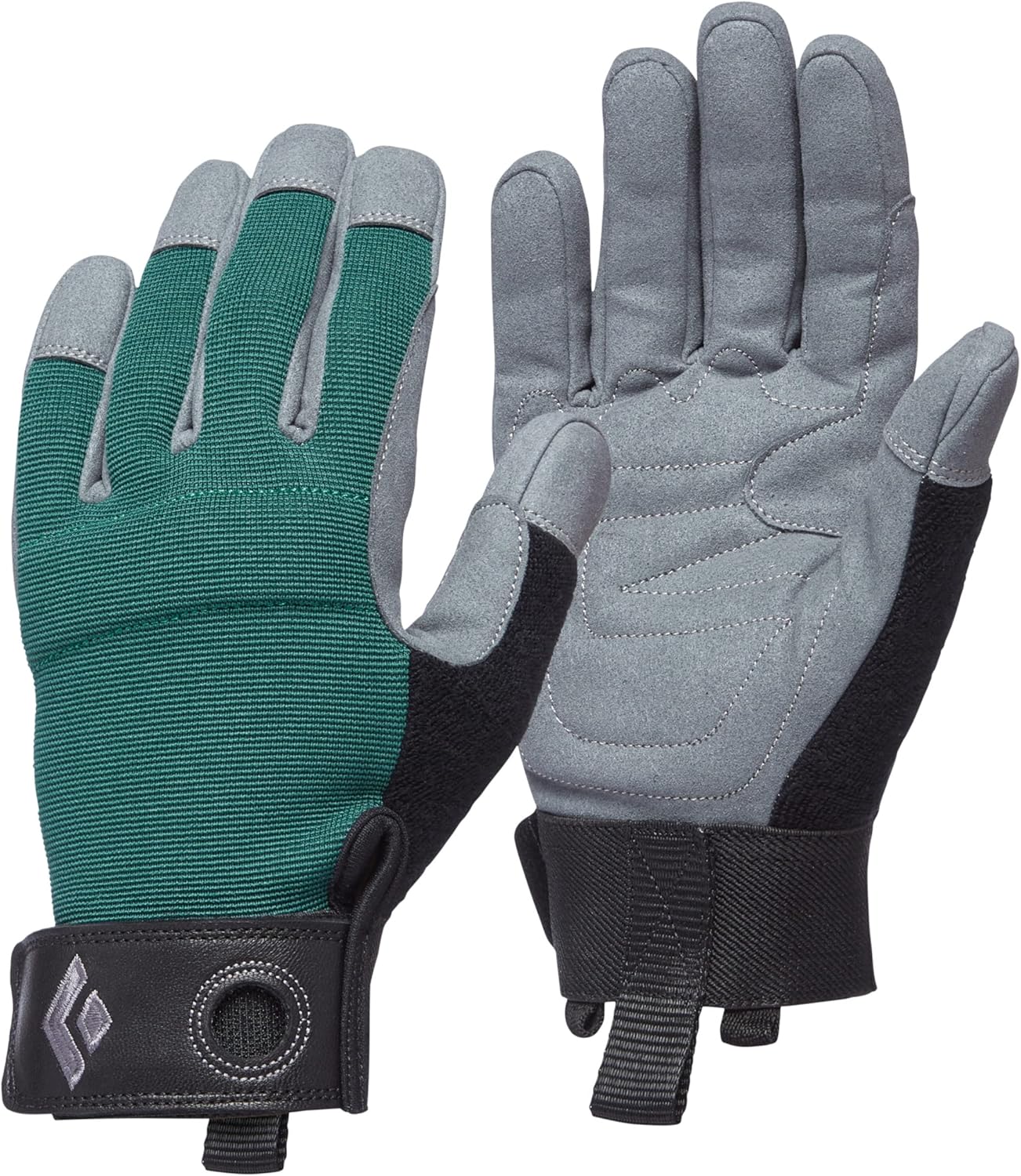
Black Diamond Crag Gloves
The gloves protect your hands from cuts and scratches you may otherwise get if you haul yourself on the cable without them. I prefer full-finger gloves for extra protection against blisters. If your hands sweat quickly, go for the fingerless version.
Shop on: Amazon (Worldwide) / Backcountry (US)
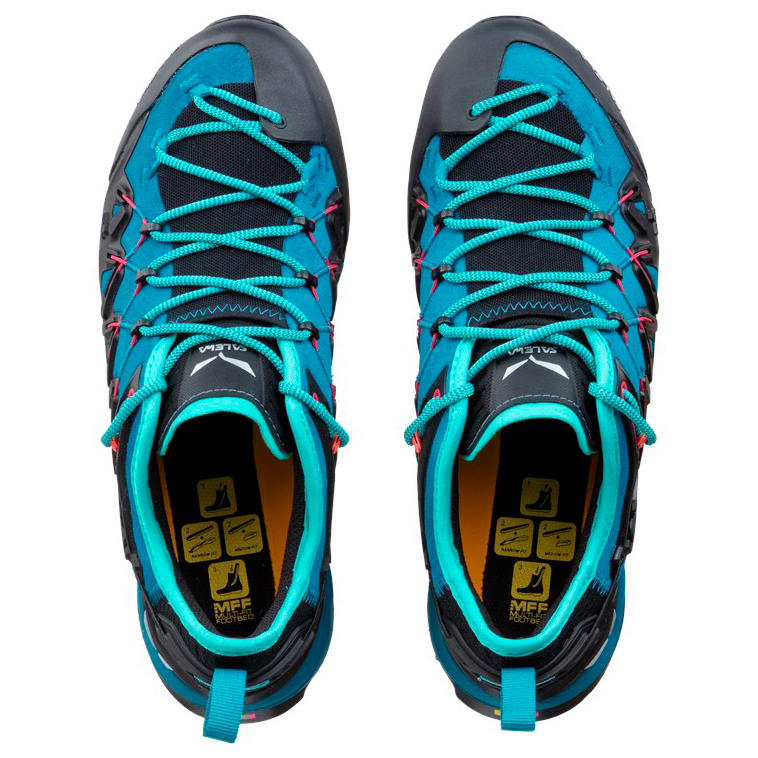
Salewa Wildfire Edge Approach Shoes
This is my go-to pair of hiking shoes for more accessible trails or via ferrata, where I don’t need extra ankle support. They provide excellent grip on the rock and are very durable.
Shop on: Amazon (Worldwide) / Backcountry (US)
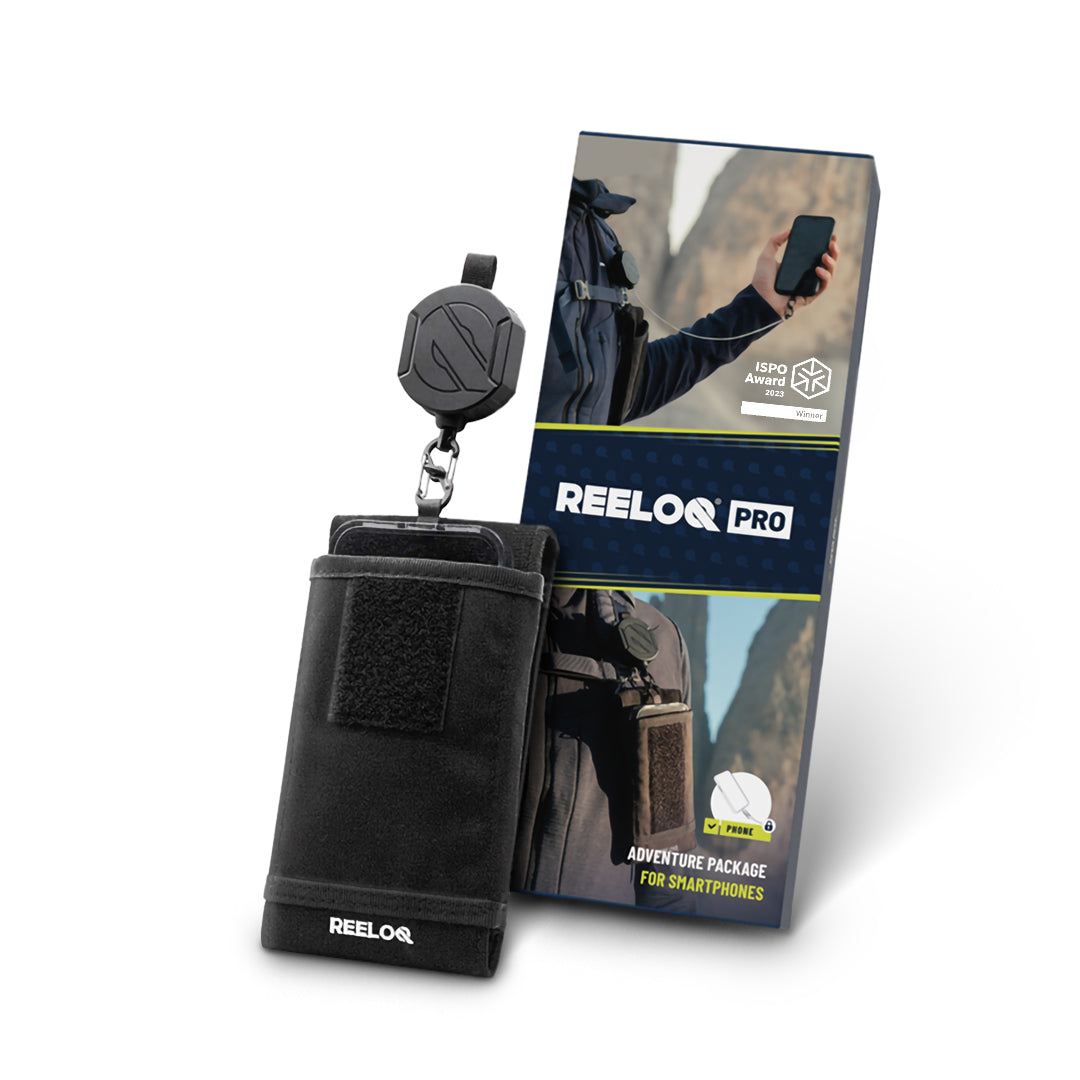
Reeloq Smartphone Securing System
If you want to take great photos on a via ferrata without worrying about losing your phone, Reeloq is the best tool for it. It’s a smartphone-securing system that allows you to use your phone on any adventure. This has been a great addition to my tool arsenal.
Shop on: REELOQ